
"coffee consumption history"
2000 article(s) found

General situation of Coffee Industry basic knowledge of boutique coffee
Coffee, as a traditional western drink, has a long history and cultural heritage. The world consumes at least 400 billion cups of coffee every year, and the current annual global coffee consumption is about 10 million tons. Coffee is the first of the two largest drinks in the world, and it is also the second largest trading commodity in the world after oil. China's coffee industry has been introduced and developed with the development of reform and opening up.

Basic knowledge of boutique coffee general situation of coffee industry
Coffee, as a traditional western drink, has a long history and cultural heritage. The world consumes at least 400 billion cups of coffee every year, and the current annual global coffee consumption is about 10 million tons. Coffee is the first of the two largest drinks in the world, and it is also the second largest trading commodity in the world after oil. China's coffee industry has been introduced and developed with the development of reform and opening up.

History of Jamaican Coffee Story Coffee Story Coffee Brand Origin History and Culture Cold knowledge Collection
Professional coffee knowledge exchange more coffee bean information please follow the coffee workshop (Wechat official account cafe_style) the famous Jamaican coffee do you know the story? Come to the story of share Coffee today. The word coffee comes from the Greek word kaweh, which means strength and enthusiasm. Coffee originated in Africa. There are four famous coffee in the world: GloriaJea

American Coffee History: from Cowboy Coffee to Fine Coffee
After the 19th century, coffee became an important imported commodity in the United States, and hoarding was heard of from time to time. At that time, although there was a large consumption of coffee in the United States, it did not attach importance to the quality of coffee. As long as there was caffeine, it was ridiculed as cowboycoffee. The western cowboy just needs to make a fire in the field, boil the water in the pot, add the coffee powder, bring it to a boil, remove the coffee pot, and wait for a few minutes until the coffee grounds sink.
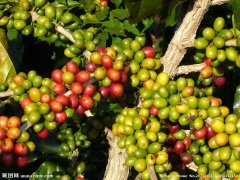
American Coffee History: from Cowboy Coffee to boutique Coffee
After the 19th century, coffee became an important imported commodity in the United States, and hoarding was heard of from time to time. At that time, although there was a large consumption of coffee in the United States, it did not attach importance to the quality of coffee. As long as there was caffeine, it was ridiculed as cowboy coffee. The cowboy only needs to make a fire in the field, boil the water in the pot, add the coffee powder, bring it to a boil, remove the coffee pot, wait for a few minutes, and wait for the coffee.

Chinese coffee culture is suitable for Chinese own coffee
China is one of the world's four ancient civilizations, has a long history and culture, especially Chinese food culture is ancient. Chinese people's eating habits are different from those of other countries. They are quite particular about eating and drinking, and many foreign friends are quite interested in it. But today's China is constantly under the impact of foreign culture, in many ways, the Chinese people

As a traditional western drink, how does coffee develop in the Chinese market?
Coffee, as a traditional western drink, has a long history and cultural heritage. The world consumes at least 400 billion cups of coffee every year, and the current annual global coffee consumption is about 10 million tons. Coffee is the first of the two largest drinks in the world, and it is also the second largest trading commodity in the world after oil. China's coffee industry has been introduced and developed with the development of reform and opening up.

Fine coffee common sense suitable for Chinese own coffee
China is one of the world's four ancient civilizations, has a long history and culture, especially Chinese food culture is ancient. Chinese people's eating habits are different from those of other countries. They are quite particular about eating and drinking, and many foreign friends are quite interested in it. But today's China is constantly under the impact of foreign culture, in many ways, the Chinese people

A brief introduction to the Origin, Development, History and Culture of Fine Coffee beans in St. Roman Manor
All the coffee trees planted in Costa Rica are Arabica coffee trees. through improvement, the quality of coffee beans is better and more stable. in order to facilitate picking, coffee trees are kept at a height of about 2 meters through continuous pruning. The coffee that people eat is the taste of the seeds in the fruit that are brewed in water. After picking raw coffee beans, the peel, pulp, seed film and sun exposure must be removed.

A brief introduction to the Origin, Development, History and Culture of Fine Coffee beans in St. Roman Manor
The research center, located about 30 kilometers northeast of the Costa Rican capital San Jose, belongs to the Costa Rican Coffee Association and is a research institution for villa sarchi planting, breeding and quality inspection newly developed by Costa Rica's national coffee breeds. in addition, it also has 10 hectares of experimental plots, planting a number of excellent varieties. Coffee is the main agricultural product in Costa Rica, with an annual output of more than 2 million bags

A brief introduction to the Origin, Development, History and Culture of Fine Coffee beans in Costa Rican Goddess Manor
Costa Rican coffee is full of Arabica beans, washed with water, its style is bright, fragrant, clear as wind chimes swaying in the breeze, mild acidity and sweetness. Because of the sweetness, even if the coffee gets cold, it tastes very good, which is a major feature of Costa Rican coffee. Therefore, it is recommended that when you taste Costa Rican coffee, only a small amount should be added.

General situation of Coffee Industry Coffee is the first of the two largest drinks in the world
Coffee, as a traditional western drink, has a long history and cultural heritage. The world consumes at least 400 billion cups of coffee every year, and the current annual global coffee consumption is about 10 million tons. Coffee is the first of the two largest drinks in the world, and it is also the second largest trading commodity in the world after oil. China's coffee industry has been introduced and developed with the development of reform and opening up.
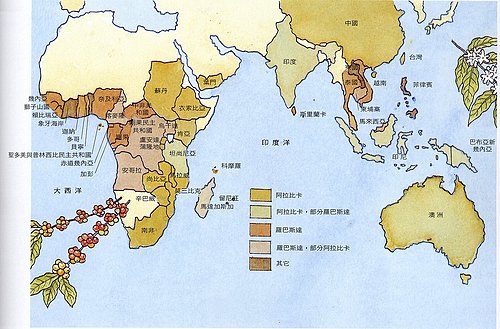
The History of Coffee the Origin of Coffee in China and Coffee Coffee and World European Coffee American Coffee
There are all kinds of legends about the origin of coffee, but most of them are forgotten because of its absurdity. However, people will not forget that Africa is the hometown of coffee. Coffee trees are likely to be found in Ethiopia's KAFFA province. There are all kinds of legends about the origin of coffee, but most of them are forgotten because of its absurdity. But people don't

The Development History and Culture of Indonesian Coffee
It can be said that Indonesians have adhered to the habit of drinking black coffee for a long time from the past to the present, and black coffee was recognized by Indonesians before espresso. People's favorite coffee is bagged instant coffee and black coffee called KopiTubruk, which costs about 3000 rupees (about 12 baht). The characteristic of Indonesian coffee is that they like fried bananas like Turkish style.

The Development of Coffee in Indonesia, History and Culture
During the ① Black Coffee period, it can be said that Indonesians have adhered to the habit of drinking black coffee for a long time from the past to the present, and black coffee was recognized by Indonesians before espresso. People's favorite coffee is bagged instant coffee and black coffee called KopiTubruk, which costs about 3000 rupees (about 12 baht). The characteristic of Indonesian coffee is that they like fried bananas and

Costa Rica Tara Pearl San Roman washed fine coffee beans origin development history and culture introduction
Coffee cultivation in Costa Rica was introduced from Cuba in 1779 and exported for the first time only in 1820. There are about 32,000 coffee farmers in Costa Rica, with an average planting area of less than one hectare (10,000㎡) per farmer. Costa Rica has a population of 4.1 million (2006) and coffee cultivation area of 82,500 km.

A brief introduction to the origin, development, history and culture of St. Roman's boutique coffee beans with the fragrant smell of grass.
Excellent Costa Rican coffee is called extra hard beans, and this kind of coffee can grow at an altitude of more than 1500 meters. Altitude has always been a problem for coffee growers. The higher the altitude, the better the coffee beans, not only because the higher altitude can increase the acidity of the coffee beans and thus increase the flavor, but also because the night temperature at the higher altitude is lower, which can make the trees grow slowly.

Planting history of single bean flavor description in Diamond Mountain, Costa Rica
For professional baristas, please follow the coffee workshop (Wechat official account cafe_style) ORIGIN: Costa Rica REGION: Tarrazu SUBREGION: Dota Valley PRODUCER: Montanas Del Diamante Estate/Gutierrez Family PLANT SPECIES: Arabica PROCESSING METHOD: Washed PROCESSING DESCRIPTION:
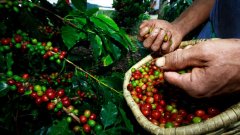
Coffee Development History of Indonesia, the third largest Coffee exporter in the World
Indonesia's coffee business originated in 1696 and took place during the Dutch colonization of Indonesia from a spice farm in Batavia to a coffee producing area, making Java and Sumatra the third largest coffee exporter in the world today. From traditional coffee to special espresso coffee has been recognized by Indonesia as a cash crop for more than 300 years.

History of coffee development in Indonesia
Coffee Workshop (Weixin Official Accounts cafe_style ) Indonesia's coffee business originated in 1696, during the Dutch colonization of Indonesia, from Batavia spice farm to a coffee producing area, making Java and Sumatra known today as the world's third largest coffee exporter. From traditional coffee to specialty espresso coffee as an economy